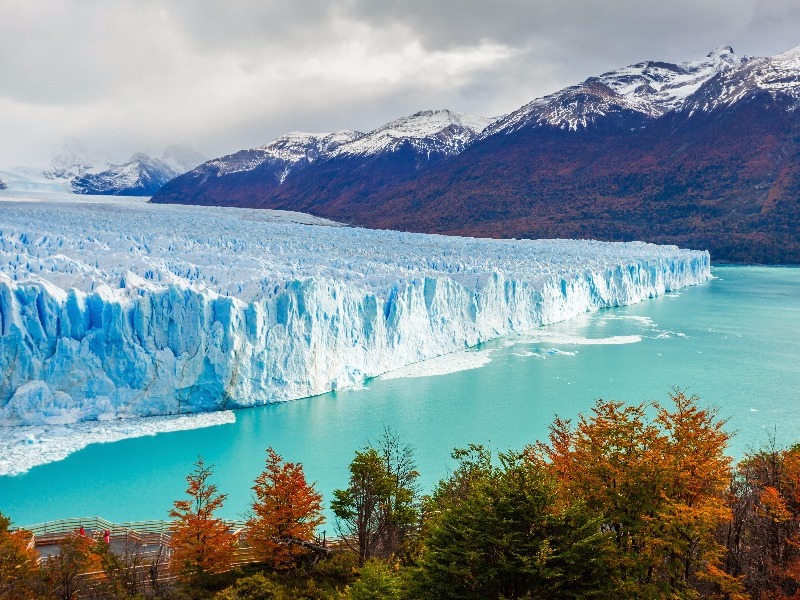
Vacations are more than just a break from routine—they are essential moments that help restore energy, improve mental clarity, and strengthen personal relationships. Whether it’s a weekend getaway or an extended international trip, stepping away from everyday responsibilities creates space for relaxation, discovery, and renewed motivation.
In today’s fast-moving lifestyle, planning thoughtful vacations can significantly improve overall well-being and productivity. A well-planned trip allows people to reconnect with themselves, explore new places, and return home refreshed and inspired.
Why Vacations Are Important for Everyone
Taking regular time off supports both emotional and physical health. Instead of seeing vacations as luxury experiences, they should be considered necessary investments in personal balance.
Key benefits include:
- Reduced stress and anxiety levels
- Improved mood and mental clarity
- Stronger family and social relationships
- Increased creativity and motivation
- Better physical health through relaxation and movement
Even short breaks can make a noticeable difference in how people feel and perform after returning to their routines.
Types of Vacations You Can Choose From
Different travelers prefer different styles of vacations depending on their interests, budget, and available time.
Beach Vacations
Beach destinations remain among the most popular choices worldwide. They offer calm environments perfect for relaxation.
Popular activities include:
- Swimming and sunbathing
- Water sports such as snorkeling or surfing
- Sunset walks along the shore
- Enjoying fresh coastal cuisine
Beach vacations are ideal for travelers seeking peace and scenic beauty.
Adventure Vacations
Adventure trips appeal to those who enjoy excitement and outdoor challenges.
Examples include:
- Trekking in mountain regions
- River rafting
- Camping in forests
- Wildlife safaris
These vacations help build confidence while connecting travelers with nature.
Cultural Vacations
Cultural trips allow travelers to explore traditions, architecture, and local lifestyles.
Travelers often enjoy:
- Visiting historical monuments
- Exploring museums and art galleries
- Attending traditional festivals
- Tasting regional foods
Such experiences broaden perspectives and deepen global understanding.
City Breaks
Urban destinations provide vibrant energy and modern attractions.
Typical city vacation highlights include:
- Shopping districts
- Entertainment centers
- Restaurants and cafés
- Landmark sightseeing
City trips are perfect for short yet exciting escapes.
How to Plan a Perfect Vacation
Planning carefully can make the difference between a stressful trip and a memorable one.
Set a Clear Budget
Decide how much you can comfortably spend before choosing a destination. Include:
- Transportation
- Accommodation
- Food expenses
- Activity costs
- Emergency savings
A realistic budget helps avoid unnecessary financial stress.
Choose the Right Destination
Select locations based on:
- Weather conditions
- Travel distance
- Personal interests
- Safety considerations
- Available time
Matching the destination to your expectations ensures a satisfying experience.
Book in Advance
Early planning often provides:
- Better accommodation choices
- Lower transportation costs
- Flexible travel schedules
- Access to popular attractions
Advance bookings also reduce last-minute complications.
Pack Smartly
Carry only what is necessary for your trip.
Essentials usually include:
- Comfortable clothing
- Important travel documents
- Basic medicines
- Chargers and travel accessories
- Weather-appropriate gear
Packing efficiently makes traveling easier and more enjoyable.
Tips to Make Vacations More Enjoyable
Simple habits can transform a regular trip into an unforgettable one.
Helpful suggestions:
- Disconnect from work whenever possible
- Try local foods and experiences
- Capture memories through photos or journaling
- Stay flexible with your schedule
- Respect local customs and traditions
Being open to new experiences often leads to the most memorable travel moments.
Traveling Sustainably During Vacations
Responsible travel protects destinations for future visitors while supporting local communities.
Ways to travel responsibly include:
- Choosing eco-friendly accommodations
- Avoiding single-use plastics
- Supporting local businesses
- Respecting wildlife habitats
- Conserving water and energy
Small actions can make a big difference in preserving natural and cultural environments.
Common Mistakes to Avoid While Planning Vacations
Avoiding typical travel mistakes ensures smoother experiences.
Some frequent errors include:
- Overpacking unnecessary items
- Ignoring travel insurance
- Planning overly tight schedules
- Forgetting to check weather updates
- Not researching local transportation options
Learning from these mistakes helps travelers enjoy stress-free journeys.
How Vacations Improve Productivity After Returning
Many people notice improved focus and energy after returning from a trip. Breaks allow the brain to reset, which increases creativity and motivation.
Employees who take vacations regularly often:
- Perform better at work
- Solve problems more efficiently
- Communicate more positively
- Maintain healthier routines
This makes vacations beneficial not only personally but professionally as well.
FAQ About Vacations
1. How often should a person take a vacation each year?
Most experts suggest taking at least one major vacation annually and several short breaks throughout the year to maintain balance and prevent burnout.
2. What is the best time to plan a vacation?
The best time depends on your destination. Off-season travel usually offers lower prices and fewer crowds, while peak seasons provide better weather and events.
3. Are solo vacations a good idea?
Yes, solo travel can boost independence, confidence, and self-awareness while offering complete freedom to explore at your own pace.
4. How can families travel affordably?
Families can save money by booking early, choosing budget accommodations, traveling during off-peak seasons, and planning activities in advance.
5. Why is travel insurance important for vacations?
Travel insurance provides protection against unexpected events such as trip cancellations, medical emergencies, or lost luggage.
6. What are the benefits of short weekend vacations?
Short trips reduce stress quickly, improve mood, and require less planning while still offering refreshing experiences.
7. How can travelers stay safe during vacations?
Travelers should keep copies of documents, stay aware of surroundings, follow local guidelines, and maintain communication with family or friends during trips.